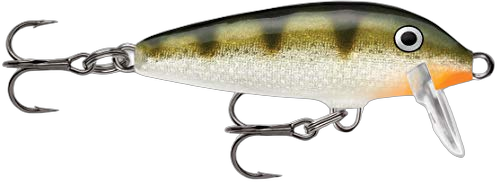
Rapala Original Floater F03
Rapala
The wounded-minnow that started arguments in more Minnesota tackle boxes than we can count. Twitch it, drown it, or just believe in it.
View on Amazonlake-winnibigoshish · 2026-10-09
Source: Fishrapper / Jeff Sundin Oct 9
I have a cousin who won’t eat at a wedding reception because he “already had a sandwich in the truck.” You can put prime rib in front of that man and he’ll just nod at it. According to Jeff Sundin’s newest Winnie post, a lot of the walleyes on Winnibigoshish are that cousin right now.
The Oct. 9 entry on Fishrapper works a little differently from his usual on-the-water updates. A reader wrote in after a 12-day fall trip, based out of Bowen Lodge by the sound of it, and Sundin answered. Between the two of them you get a sonar picture we hadn’t seen yet, a bait change that walks back part of Tuesday’s card, and some honest talk about why this fall has been so streaky.
The reader’s group spent most of the trip on the north shores, starting at the Rock Pile and working up the shoreline toward the Third River, plus a bit of time near Raven’s Point. They fished 4 to 14 feet. They saw plenty of walleyes on their sonar. Getting bit was the hard part.
His graph is the memorable bit. On a lot of their drifts over the Rock Pile, the screen filled with bait in a band roughly 6 to 14 feet down. Plenty of times the bait got so thick the regular 2D sonar couldn’t find bottom. They could see walleyes sitting inside those clouds, and the walleyes did not care about their jigs. Every fish they cleaned was plump and spitting up minnows.
He also wondered whether a run of south wind (six days out of seven) made things worse along that shoreline, and whether he should have gone looking for water with less bait in it. Big wind also made the long run over to Winnie’s south side a bad idea.
That’s one group’s trip, told secondhand. It’s also the clearest picture of the north side in any of our Winnie cards so far, and it lines up with what Sundin keeps describing.
He’s said before that the big 2018 and 2019 year classes are thinning out, and we covered that on Tuesday. What he adds this time:
Look, I’ve spent whole afternoons hovering over a school of fish like a man trying to sell a timeshare to a family that already said no. They were right. I was wrong. Move the boat.
Sundin expects Winnie to get easier when the walleye side of the scale catches up, whether that comes from a strong natural hatch or from more DNR stocking. He also floats a hopeful idea, clearly labeled as a maybe: a share of all that bait might be baby walleyes, slowly growing into the next big year class. He says he can’t wait to see what the DNR’s summer survey work shows, and neither can we.
That’s the part I like. A guide staring down a tough fall, and the first thing he reaches for is the survey data, not an excuse. Our hope, and it’s only a hope, is that the numbers bring good news. Either way, the lake doesn’t have to be easy for the trip to be worth it.
This card is built on one reader’s 12-day trip and one guide’s reply. It has no counts or sizes, and the only water temperature is the 56–57 degrees Sundin gives. We didn’t add anything. The bait-cloud explanation is his theory, not a survey. Confirm current MN DNR regs before harvest.
The matching tray
Same hardware we already point at on the species and gear pages. Not a secret, not a bite chart — just the stuff that lives in Minnesota boats.
Rapala
The wounded-minnow that started arguments in more Minnesota tackle boxes than we can count. Twitch it, drown it, or just believe in it.
View on Amazon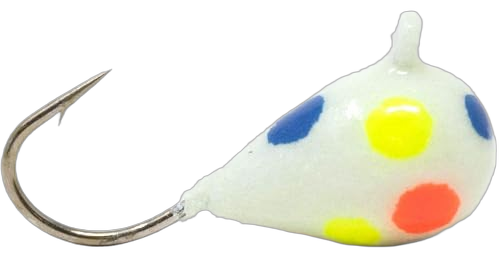
Clam
Minnesota ice-house tungsten with a flat tie-eye that puts the hook where soft-mouthed crappies keep their secrets. Small, dense, and weirdly charming in Wonderbread paint.
View on Amazon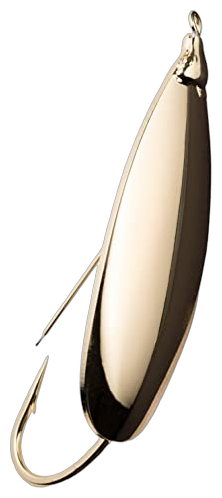
Johnson
The original weedless wonder still earns a seat in Minnesota pike boats. Cast it through pads and cabbage, keep a steady wobble, and tip it with a trailer if the fish want a little more meal. Gold 3/4 is the listing we can actually buy today.
View on AmazonWalleye notes →Minnesota walleye classics →Lake Winnibigoshish →
mnFISHON is an Amazon Associate. We may earn a commission if you buy through this link. See the affiliate disclosure.