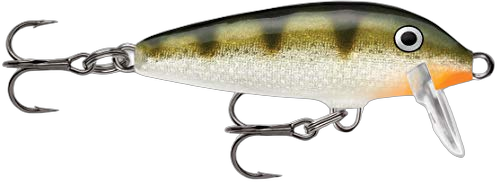
Rapala Original Floater F03
Rapala
The wounded-minnow that started arguments in more Minnesota tackle boxes than we can count. Twitch it, drown it, or just believe in it.
View on Amazonlake-winnibigoshish · 2026-09-29
Source: Bowen Lodge / Jeff Sundin
The matching tray
Same hardware we already point at on the species and gear pages. Not a secret, not a bite chart — just the stuff that lives in Minnesota boats.
Rapala
The wounded-minnow that started arguments in more Minnesota tackle boxes than we can count. Twitch it, drown it, or just believe in it.
View on Amazon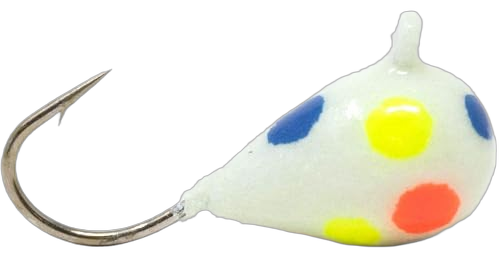
Clam
Minnesota ice-house tungsten with a flat tie-eye that puts the hook where soft-mouthed crappies keep their secrets. Small, dense, and weirdly charming in Wonderbread paint.
View on Amazon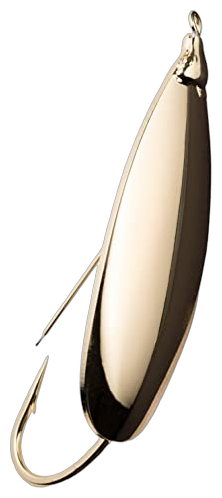
Johnson
The original weedless wonder still earns a seat in Minnesota pike boats. Cast it through pads and cabbage, keep a steady wobble, and tip it with a trailer if the fish want a little more meal. Gold 3/4 is the listing we can actually buy today.
View on AmazonWalleye notes →Minnesota walleye classics →Lake Winnibigoshish →
mnFISHON is an Amazon Associate. We may earn a commission if you buy through this link. See the affiliate disclosure.
Yesterday’s MN Fish On Winnie card was Capt. Jeff Johnson’s short Sep 28 association note — walleyes mostly under ten on shoreline structure, Cutfoot and the big lake sharing the fall-spots headline, jig weights doing the polite work. Twenty-four hours later Bowen Lodge posted a longer Jeff Sundin desk note dated Sept. 29, 2026. Same lake. Different stamp. And the new one is willing to say the quiet part out loud: the week has been spotty, the water is stuck around 61–62 degrees, and the green weeds haven’t gotten the memo that it’s fall yet.
Sundin’s Bowen report pegs surface temps on both Winnie and Cutfoot at a uniform 61–62° as of Monday, Sept. 28. Warm days plus overnight lows still hanging above 50 have been parking the cool-down. Fall migrations are ramping in places, he says, but fish are also clinging to summertime cover and warm-water habits like a relative who refuses to leave the cabin after Labor Day. Honestly, same.
No hard frost yet means the submerged plants are still green and inviting. Bait and small fish are still living in that salad. So walleyes, pike, and perch don’t have a huge reason to line up on the easy shoreline breaklines where anglers prefer to meet them. When they do feed, Sundin frames it as short, intense runs — high prey, less competition on those pressured year classes — which is a polite way of saying you can feel like a genius one afternoon and a cautionary tale the next. Sundin’s week-in-review is blunt about it: almost every crew got at least one good day, and most of those same crews also ate a hard one. That’s the report. We are not inventing a nonstop limit factory.
When the fish are findable, the habitats Sundin names are shoreline breaks that still have vegetation. He calls two depth bands: the 9-to-12-foot breakline, and a shallower hallway at 5 to 6 feet. Separately, rock and gravel rises on the sand flats — and here depth is not the boss. Shallow rocks, deeper rocks, same idea: if it’s rock, it might be holding somebody.
That’s a wider map than yesterday’s “under ten” Johnson card. Not a contradiction so much as a longer paragraph. Under ten still fits inside 5–6 and half of 9–12. The flat rocks are the new roommate.
Presentations in the Bowen note are a mixed bag on purpose: wiggle worming with jigs and night crawlers, soft plastics, slip-floats with live bait, jigs with minnows. The classic fall jig bite is getting more productive by the day. One Monday crew reportedly split about half and half — jigs tipped with golden shiners on one side of the cooler, night crawlers on the other. Look, if the lake wants both, you can bring both. Your tackle box does not need a personality crisis.
Fish quality, when they show: fat “little football” walleyes, several year classes in the mix. Keepers most often in the 16.5-to-17-inch band, some 14-to-15, and reports of a few larger 20-to-22 fish. That’s the size talk Sundin put on the page. We are not adding a fry count.
Northern pike are fat and prowling shoreline breaks — jigs and minnows for some, shallow-running crankbaits over low vegetation on the flats for others. Key bands he names: 8 to 10 feet on those flats, or steeper breaklines in 12 to 20. Sunfish have been keeping guests busy: small spinners tipped with half a crawler to find them, then vertical small jigs with cut crawler (or small leeches if you can get them). Crappies on the Cutfoot chain? Sundin’s word is “okay.” Spinners and minnows for most folks; he also points at 1/16-to-1/8-ounce jigs with plastic paddle tails in weed pockets or a slow swim-drop retrieve over open water. Okay is not a press release. Okay is useful.
Useful: a dedicated Bowen Lodge / Sundin Winnie–Cutfoot desk note dated Sept. 29, one day newer than the Johnson association card we shipped yesterday, with measured 61–62° water, an honest spotty week, dual shoreline depth bands, rock rises on the flats, a building jig bite that still shares the boat with crawlers, and plain talk on pike, sunfish, and Cutfoot crappies. Not useful: pretending one resort report is a sonar survey of every rock from Tamarack to Highbanks, inventing Tuesday’s temp, or rewriting “spotty” into “limits daily.” Dress for the weather you actually get. Confirm current MN DNR regs before harvest.