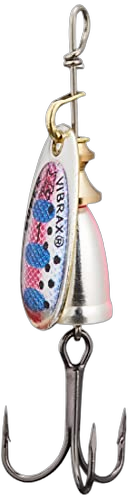
Blue Fox Classic Vibrax 1/8 oz
Blue Fox
Brass body, a little noise, a lot of history in pike and trout boxes. The spinner you find in a coffee can and still trust.
View on AmazonFish · Salvelinus fontinalis
The native char of cold headwaters. Small streams, spring ponds, a square tail, and a season that is not the walleye opener.
Where they live: Cool, clear water with sand and gravel and a moderate amount of plants. Native to the headwaters and small streams of eastern Minnesota.
When folks chase them: Stream dates on the DNR calendar, plus stocked lakes that follow the trout-lake rules. Ice is a different book from a coulee in April.
Brook trout are the native one. The name on the lesson is honest about the address: a little salmon that lives in springs.
I have stepped into a North Shore creek in sneakers and called it “just a look,” which is how you fill a shoe and insult a fish that needs the water cold and clean. They want cool, clear flow, sandy and gravelly bottoms, moderate vegetation. In Minnesota they are native to the headwaters and small streams of the east. People also call them speckled trout, squaretail, coaster, and brookie. (MinnAqua — brook trout)
Most of the state’s trout streams sit in the southeast and along the North Shore. Northern streams are mostly brook trout. Southeastern streams are mostly browns and rainbows, and the native brook trout there keep to the cold, clear headwaters. That split is the DNR’s, and it will save you a bad plan. (Minnesota DNR — trout)
The lesson is blunt and a little humbling. Search small headwater streams in the southeast, North Shore creeks, or lakes stocked with brook trout. Use small flies and very small spinners or jigs. They eat like they mean it, which is why they are easy to lean on too hard. (MinnAqua — brook trout)
Young fish take mayfly and damselfly larvae, beetles, snails, worms, the small stuff. Larger brook trout add minnows and other small fish. The spinner we can point at is the Blue Fox in the boat kit, same tray as Spinners and cast days. Flies are a real method on that page. We do not have a fly listing, so we are not going to invent a pattern with a cute name.
No length in the lesson. A light spinning rod that can throw a very small spinner is the idea that matches the words they used. Wet your hands. Keep the fish in the water. The slime is the coat. Barbless hooks are the lesson’s suggestion when you want the hook out clean, and if it is swallowed, cut the line. (MinnAqua — brook trout)
They are a medium-sized fish on that page, often 8 to 10 inches. Dark back, light spots, a black-spotted dorsal, a square tail, scales so small the fish looks bare. In the fall a male grows a hook on the lower jaw. If you need a field mark, that is the poetry and the ID card in one sentence.
North Shore creeks and the cold headwaters of the southeast, plus stocked lakes. The fishing guide’s northeast blurb is “brook trout in some of the waters winding through the Superior National Forest,” after you have paid attention to the lake trout. Our North Shore page already lists brook trout. (Minnesota DNR — trout fishing)
Southwest Minnesota gets put-grow-and-take brook trout and browns around Austin, St. Peter, New Ulm, Canby, Marshall, and Windom. That is the DNR’s town list, not a secret creek name. The northwest has the Straight River and other scattered streams, Park Rapids included in the regional note. Central and metro water includes the Vermillion River and Luxemburg Creek at St. Augusta. Species mix is not printed town by town, so we will not assign a brookie to a creek the page did not name. (Minnesota DNR — trout fishing)
A headwater you can step across is still a whole life for this fish. Sediment and warm water are the threats the lesson actually writes down. Catching one is not the same thing as the stream staying cold next July.
The classroom page once printed a general window and a general possession note, and then told you to read the current book because the southeast changes. Believe the second instruction. The seasons calendar is the one with the year on it. For 2026 it lists southeastern inland streams on January 1 and statewide inland streams on April 11. The general fishing opener that year is May 9. Those rows move. Trout lakes are not streams. (Minnesota DNR — fishing seasons, stream seasons, trout in lakes)
They spawn in October and November, in gravel riffles with spring flow, in a nest the lesson calls a redd. Most mature in their first year and live 3 to 4. Eggs can take 2 to 5 months, slower when the water is colder. (MinnAqua — brook trout)
Ice tip: the DNR’s ice-fishing guide says trout, like northerns, can be caught any time of day. That is the hardwater sentence. A stocked brook trout lake only counts if the trout-lake rules say the season is open, and a January creek date is not permission to walk on a lake. Read the ice page before you test the lid. (Ice fishing guide, learn to ice fish)
Stamp and license are the lesson’s reminder, not a suggestion from us. Possession limits change with the season and with the southeast. Look them up.
The boat kit
MinnAqua says very small spinners or jigs. Blue Fox is the small spinner we can point at. We do not have a fly listing, so the page does not pretend to.
The tray
Blue Fox Vibrax slots for the days you want something that flashes, ticks, and does not require a TED Talk.
Blue Fox
Brass body, a little noise, a lot of history in pike and trout boxes. The spinner you find in a coffee can and still trust.
View on Amazon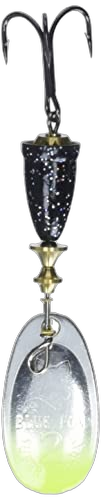
Blue Fox
Chartreuse-tipped and silver-flake — a color combo that looks like a gas-station candy and somehow still works.
View on AmazonmnFISHON is an Amazon Associate. We may earn a commission if you buy through this link. See the affiliate disclosure.