Minnesota's largest fish, and the one that can outlive the person holding the rod. Bottom bait, a big net, and a rulebook you actually read.
Where they live: Moderately clear large rivers and lakes, usually over firm sand, gravel, or rubble. Every major drainage in the state except the Missouri.
When folks chase them: Depends on inland water versus border water. Lake of the Woods and the Rainy River are the destinations the DNR calls popular, and they are not open every week of the year.
Lake sturgeon look like a rumor that learned how to be a fish. Five rows of bony plates. A mouth under the head. Barbels out front like they are reading the bottom in braille.
I have lifted one for a photo by the gills because the phone was ready and the fish was not. The DNR’s how-to page is plain about that. Support it horizontally. Do not hold it up by the head, the gills, or the tail. Some of them should never come in the boat. If you need the sentence without the joke, here it is: a female may live more than 150 years, and she may not spawn until she is 24 to 26. The fish in your hands might be older than the landing. (Minnesota DNR — how to catch a lake sturgeon)
What to throw
The method on that page is almost rude in its simplicity. Drop live bait to the bottom and wait. Most people use one or more nightcrawlers. A lot of them add a minnow. From a boat, the DNR says look for pools or deeper seams, anchor a little upstream, and let the bait settle, because a sturgeon that leaves a hole often leaves from the head of it.
The terminal gear they describe — a heavy slip sinker, a barrel swivel, 12 to 18 inches of leader, a 5/0 circle hook — is a rig, not a product we stock. We are not going to invent a sinker listing so the page looks shoppable. The stick is the part we can point at. See the boat kit and Pike & muskie heavier setups.
They eat insect larvae and other invertebrates, snails, leeches, small mussels, and small fish, dragging those barbels along the bottom. They are not scavenging a rotten offering. The MinnAqua lesson says they want fresh food. (Minnesota DNR — how to catch a lake sturgeon, MinnAqua — lake sturgeon)
Rod & reel
The DNR’s outfit starts with a stout muskellunge rod and a level-wind reel loaded with braid in the 80- to 100-pound class. Enough weight to hold bottom. A heavy rod shortens the fight, which is the point — less exhausting the fish. Bring a large net, pliers, a wet towel for the head while you measure, gloves for the sharp scutes on a small one, and a tape. (Minnesota DNR — how to catch a lake sturgeon)
Our muskie sticks live in that same neighborhood: long blanks, baitcast reels, heavy braid. That is the overlap. It is not a figure-eight lesson.
Where in Minnesota
They prefer moderately clear, large rivers and lakes, most often over firm sand, gravel, or rubble. They are migratory, and they are in every Minnesota drainage except the Missouri. The how-to page puts them in Lake of the Woods, Lake Superior, and rivers that include the Rainy, St. Croix, St. Louis, Kettle, and Red River of the North. It names Lake of the Woods and the Rainy River as the popular destinations. LakeFinder is how you check a lake near you. They are not common, and the same page says they have spread into many new waters over the past 30 years on the back of a recovery. (Minnesota DNR — how to catch a lake sturgeon)
The short sturgeon page says habitat work is part of why they are coming back in the Rainy, St. Louis, Red, and St. Croix. The Red River story is its own page: gone from that basin by the mid-1900s, and a long restoration after. (Minnesota DNR — sturgeon, Red River sturgeon)
In the 1800s they were stacked on shore like logs. Caviar finished the crash in the early 1900s. MinnAqua still lists them as a species of special concern. The fish in the net is not a prop. (MinnAqua — lake sturgeon)
Seasons, including the ice
Seasons change with the map. Inland water, border water, and special regs are three different answers. The how-to page says Lake of the Woods and the Rainy River have both a harvest season and a catch-and-release season, and a stretch when you cannot fish for them at all. It describes the harvest window as late April into early May, then early July until late September, and catch-and-release as early May into mid-May, then early October until late April. From the second half of May through the end of June, that page says the season is closed. Read the current book before you trust a paraphrase, including this one. (Minnesota DNR — how to catch a lake sturgeon)
Ice sits inside that long catch-and-release side of the border calendar, not inside a separate sturgeon gadget list. The presentation stays the bottom bait. The closed weeks stay closed. Spawning on the how-to page runs between April and early June. Females spawn every four to six years. Males every two to three, and they typically mature somewhere from 8 to 17. Males often live about 55 years. (Minnesota DNR — how to catch a lake sturgeon)
The Rainy River number on that page is the one that makes a person pull the truck over: nearly 100,000 sturgeon 40 inches or longer. The species can pass 100 pounds. Those are the agency’s figures, not a cleaning-table estimate.
The rules
Tagging, possession, and transport get their own lines in the book. Border water is not inland water with a nicer sunset.
A stout muskie rod is the outfit the DNR describes, with braid in the 80- to 100-pound class. These are the heavier sticks we can actually send you to buy. The nightcrawlers are a bait shop, not a card.
The sticks
Pike & muskie heavier setups
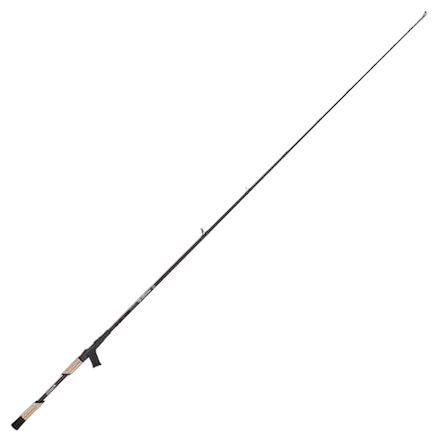
A St. Croix Mojo Bass MH spinning stick for northerns, Mojo and Legend Tournament Musky casting rods, plus a baitcast reel that can handle big line.
St. Croix Rods Mojo Bass Spinning Rod, 7'3" Medium-Heavy/Fast
St. Croix
A medium-heavy spinning stick for northern days when the spoon is the size of a snack and the fish has opinions. Fast tip, real backbone, and Park Falls manners for cabbage edges — the old Triumph MH listings went dark, so this is the MH spinner we can actually buy.
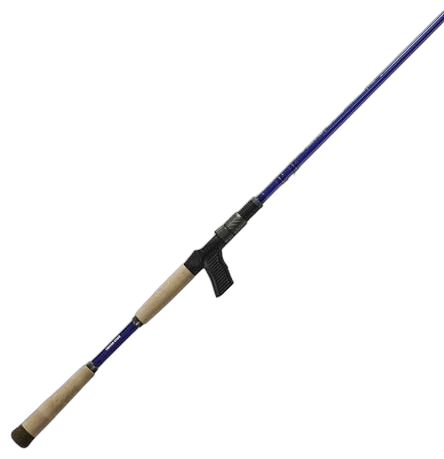
St. Croix Rods Mojo Musky Fishing Rod, 7'10" Medium/Fast
St. Croix
Musky-focused casting blank with the newer handle comfort St. Croix keeps talking about for long figure-eight days. Medium power for bucktails and mid-size rubber — not a fairy tale, just a work stick.
Long grinder stick for covering water when the lake is big and your shoulder already filed a complaint. Heavy line class, serious length — honest about follows, ready when a boat finally shows up.
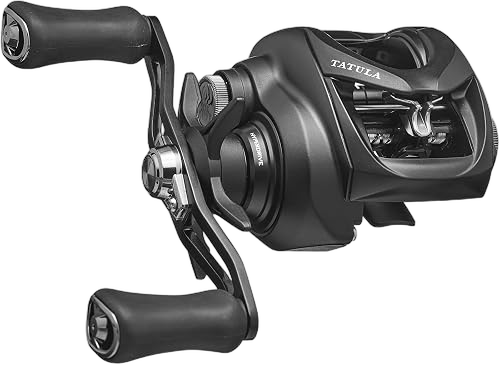
Beefier baitcast capacity for heavier mono and braid when you are throwing big profiles at pike or muskie. Deep spool, T-Wing line flow, and enough room to keep a long fight from getting awkward.