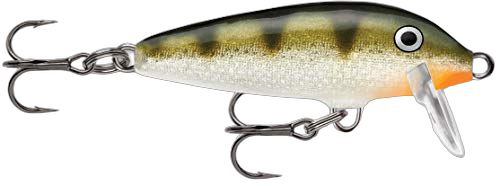
Rapala Original Floater F03
Rapala
The wounded-minnow that started arguments in more Minnesota tackle boxes than we can count. Twitch it, drown it, or just believe in it.
View on AmazonFish · Sander canadensis
The walleye's river cousin. Spots in the top fin, no white tail tip, and a better excuse to be in stained water than you have.
Where they live: Large rivers and a short list of big northern lakes. Deeper and darker than the walleye speech you rehearsed in the truck.
When folks chase them: Open water with a jig or a live-bait rig near the bottom. Through the ice, Lake of the Woods is the room the DNR names.
Sauger are the walleye’s cousin. Not the one who brings bars to the reunion. The one who knows which dam the family is actually standing under.
I have held one up and called it a walleye until the dorsal fin embarrassed me, the way you call a person the wrong name at a fish fry in Baudette and then have to live in the truck with it. Spots in the top fin. No dark blotch at the back of that fin. No white tip on the bottom of the tail. The DNR’s walleye biology page is the apology card. (Minnesota DNR — walleye biology)
They are smaller and more slender than a walleye and seldom go past 3 pounds. They also see better in the dark and in turbid water, which is why they live where they live. That is not a failed walleye. That is a fish built for the river.
The DNR’s own profile says the tackle and methods people use for walleyes are appropriate, then tells you to change the address. Saugers often sit deeper and darker. Through the open-water season, live-bait rigs and jigs tipped with minnows, fished at or near the bottom, are the solid choices they name. (Minnesota Conservation Volunteer — sauger)
Early spring, the profile says look below Mississippi River dams while the fish try to move for the spawn. In summer it names Lake Pepin. The cards are in the boat kit. The longer sermon is Minnesota walleye classics.
If the DNR says walleye tackle is the right idea, the stick is the one Minnesota boats already argue about for jigs and live-bait rigs. Spinning, a fast tip, and the humility to set the hook when the fish is actually there.
The blanks we can point at are in the boat kit and Walleye spinning & jigging setups.
Distribution is more limited than walleye. The biology page puts them in Lake St. Croix, the Minnesota River, the Mississippi, and the Mississippi below the Twin Cities, and calls them common in Lake of the Woods, Rainy Lake, and Lake Kabetogama. (Minnesota DNR — walleye biology)
On this site, the rooms that already name them are Lake of the Woods, Lake Pepin, and Lake Kabetogama. The profile also calls Rainy and Lac la Croix sauger lakes. We have a Rainy Lake page. Lac la Croix does not have one here, so we are not going to pretend it does.
Open water is the jig-and-rig conversation above. For ice, the DNR profile does not hem and haw. It says there may be no better place in Minnesota to catch saugers through the ice than Lake of the Woods, where a mixed bag with walleye is the normal day and the bite can last all day. The offerings it names are live minnows or bright, shiny jigging spoons, down in that bog-stained water. (Minnesota Conservation Volunteer — sauger)
We can point at a jig. We cannot point at a bright jigging spoon, because that listing is not on our shelf. Use a minnow on the jig we do have, and do not let a gas-station story sell you a spoon we never linked.
Sauger ride with the inland rulebook, and border water is its own chapter. Read the year you are actually standing in.
The boat kit
The DNR says sauger tackle is the walleye kind, then tells you to fish deeper and darker. This is that tray — Rapala, Lindy, Northland, and the jig sticks — not a new lure we invented in a parking lot.
The tray
A short tray of lures and rigs that have been in Minnesota boats for decades — Rapala, Lindy, Northland. Real Amazon links only. We do not invent a lure that is not on the shelf.
Rapala
The wounded-minnow that started arguments in more Minnesota tackle boxes than we can count. Twitch it, drown it, or just believe in it.
View on Amazon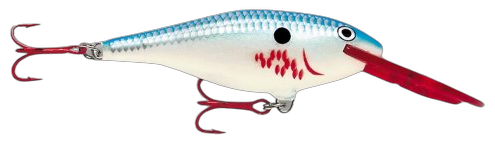
Rapala
Balsa with a job. The Shad Rap is the crankbait people name the way they name a truck.
View on Amazon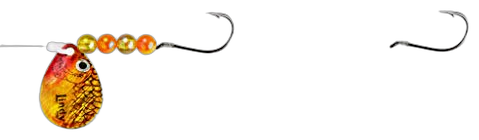
Lindy
Brainerd-family flash in front of a nightcrawler — holographic blade, hand-picked beads, and the ancient art of not setting the hook too early. The old blister-pack walking-sinker kit listing went dark; this harness still lives on the shelf.
View on Amazon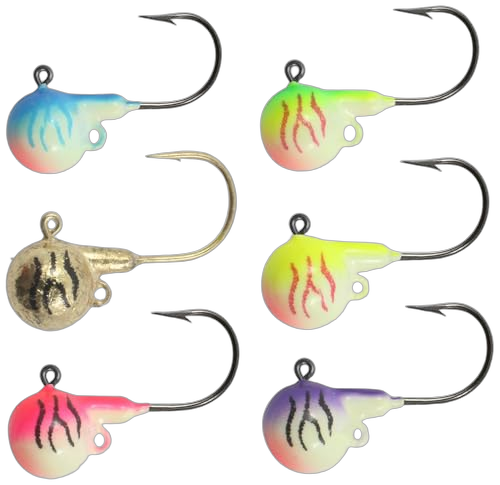
Northland Tackle
Bemidji hardware. Short-shank jig that has lived on live-bait rods since before your good sunglasses. Six in a card because one always finds the carpet.
View on AmazonThe sticks
Park Falls St. Croix Eyecon sticks plus mid-size spinning reels for Minnesota jig, slip-bobber, and Lindy days.
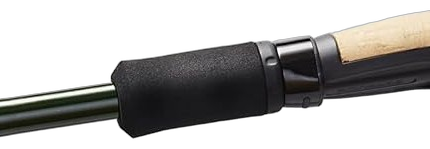
St. Croix
The all-purpose Eyecon you keep reaching for when somebody says “just bring one rod.” Medium-light fast tip for jigs and slip floats, with enough length to keep a minnow honest over a mud flat.
View on Amazon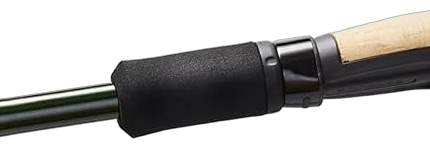
St. Croix
Same Eyecon manners, two pieces so it survives the trunk better than your cooler. The old 7'6" slip-and-rig listing is not for sale right now; this is the trunk-friendly Eyecon we can actually point at.
View on Amazon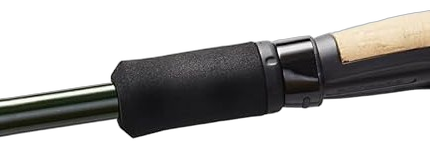
St. Croix
Short, twitchy, and dialed for vertical jigging when the boat is parked over a school that refuses to write you a thank-you note. Extra-fast tip for feeling a walleye inhale a Fire-Ball like a rumor.
View on Amazon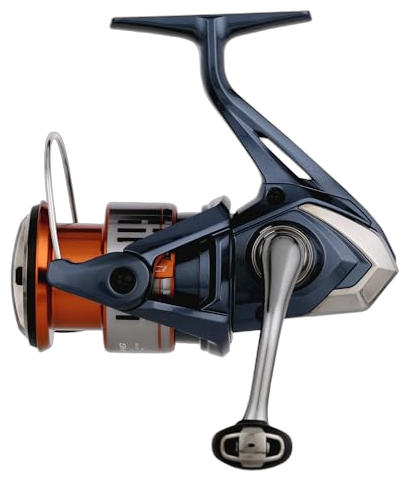
Shimano
Smooth mid-size spinner that pairs with 6'6"–7'6" walleye rods without acting like it needs a TED Talk. High-gear retrieve for covering water between jig lifts; Infinity Drive guts for opener weekends that run long.
View on Amazon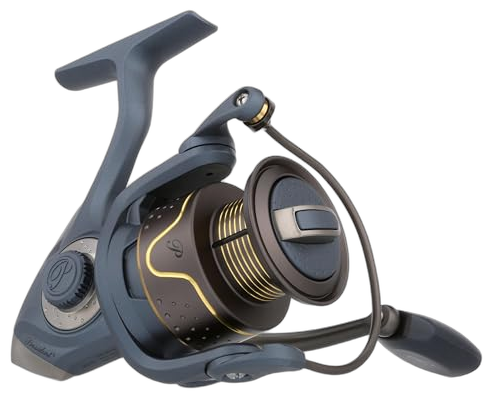
Pflueger
The coffee-can classic of spinning reels — braid-ready spool, smooth drag, and a price that leaves room for another bag of minnows. Size 35 sits right in the Minnesota walleye neighborhood.
View on AmazonmnFISHON is an Amazon Associate. We may earn a commission if you buy through this link. See the affiliate disclosure.