Eelpout. The cod cousin with one whisker and a winter personality. Slimy, vocal, and a better sign of a healthy watershed than the face suggests.
Where they live: Most northern Minnesota lakes and rivers, including Lake Superior. A few in the prairie and the lower Mississippi. Cold water — under 70 degrees when they can get it.
When folks chase them: Rare in summer. Wide awake in winter, especially in low light, on a minnow near a deep mud bottom.
Burbot are the fish people apologize for catching. One whisker under the chin. Smooth skin. A body that wraps your forearm while you try to remember which hand has the pliers.
The DNR calls them the “ish” of fish and then, in the next breath, a remarkable predator — a cousin of the saltwater cod that looks like an eel had a meeting with a catfish. Eelpout is the name on the ice. Lawyer, ling, cusk, and poor man’s lobster show up on the lesson too. I have cut one off and acted like the line broke. The lesson says folks who do that miss a fish that bakes, and they also miss a fish that tells you the watershed is in decent shape. (Minnesota DNR — burbot, MinnAqua — burbot)
What to throw
Most burbot are an accident on a walleye line. They wake up in the winter, especially in low light. The gear the lesson names is a tip-up or walleye-style jigging equipment, with 4 to 8 lb line. The bait is a minnow, set within inches of a deep muddy bottom. The example they give is the mud flats on Mille Lacs. The bite is soft. Wait too long and you are in the gullet, or you are cutting the line to let the fish go clean. (MinnAqua — burbot)
They eat small fish — yellow perch and walleyes are the examples — plus eggs, clams, crayfish, mayfly larvae, and other aquatic insects. Summer, they are a rare catch. They want water under 70 degrees. (MinnAqua — burbot)
Rod & reel
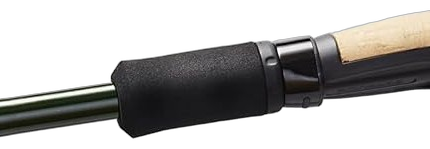
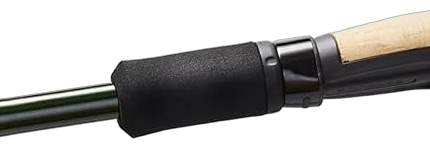
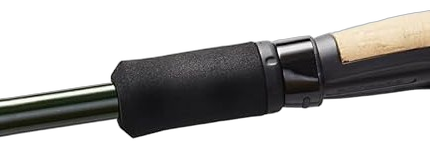
4–8 lb, because that is the line they printed. A walleye jigging rod covers the “walleye-style” half. A tip-up covers the other half, which is a flag and a thermos and somebody yelling from three holes away. Teeth are sandpaper, more largemouth than pike. Grip just behind the head. The wrap is harmless. The little grunt is the fish saying hello in the only language it has. (MinnAqua — burbot)
The state record on that page is 19 pounds, 3 ounces, from Lake of the Woods. Typical fish are under 8 pounds and under 28 inches. They can live to about 15.
Where in Minnesota
Most northern lakes and rivers, Lake Superior included, plus small numbers in the prairie and parts of the lower Mississippi. Good indicators of a healthy watershed, which is a strange sentence to hang on a fish this slippery, and it is the sentence they wrote. (MinnAqua — burbot)
Mille Lacs is the mud-flat example. Lake of the Woods is the record. LakeFinder will show you the rest, including a pile of lakes whose surveys list burbot while the postcard does not. They spawn in mid-winter into early spring, before the ice is off, in the shallows over sand or gravel. Pairs, or dozens, or hundreds. No nest. A big female can lay as many as a million eggs. The larvae hatch tiny after 4 to 5 weeks. (MinnAqua — burbot)
Young ones feed smallmouth, perch, smelt, lake trout, and muskie. Adults feed the story you tell when the walleye rod loads and the thing that comes up is not a walleye.
There is a real tenderness in a fish that only gets busy when the lake is locked, in water cold enough to make the rest of the food chain sleepy. People flinch at the slime. The watershed flinches when the pout are gone. Both of those can be true on the same hole.
Seasons, including the ice
Winter is the season. Low light. Deep mud. A minnow almost on the bottom. Summer is when you might meet one by accident and should not build a trip around it. The DNR’s ice guide is the safety half: no ice is a guarantee, and early and late ice are when people get brave and wet. (Learn to ice fish)
Some lakes — Mille Lacs is one the surveys mention — tell you to release every burbot. That is a special reg, not a statewide mood. Look up the lake.
MinnAqua says a tip-up or walleye-style jigging gear, and a minnow inches off a mud bottom. The Blue Ice tip-up and the walleye jig sticks are the pieces we can point at. The minnow is still a bait shop.
The tray
MN ice tray — Clam tungsten & tip-ups
Rogers-rooted Clam tungsten, a Blue Ice tip-up, a Meat Stick ice rod, and a Northland Flat Fry for Minnesota hardwater panfish and flags.
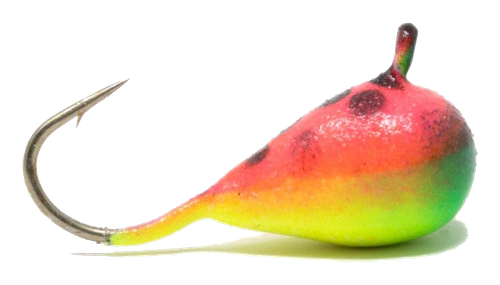
Bread-and-butter Rogers tungsten with a vertical hang that finds soft mouths. Chart/Pink Glow Spot 1/32 for basin crappies and weed-edge bluegills when you want denser than lead without looking like a bowling ball.
Dave Genz’s kick cadence with a flat top that shows up on sonar. Work it with a little snap when midwinter panfish want attitude instead of a polite hover.
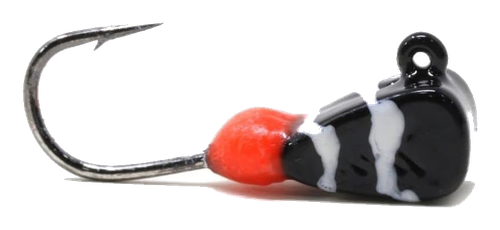
Bemidji-family tungsten that hangs at 90 degrees like a tiny fry — the micro profile when fish stare at a naked head like it owes them money. Tip with a waxie and keep the stroke small.
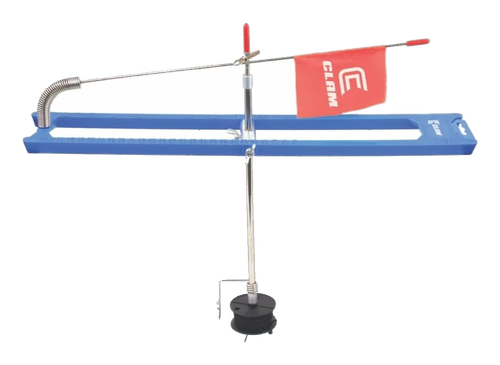
Classic Clam flag gear: 14-inch high-vis shaft, dual trip settings, low-temp lube, and pre-spooled braid so the quiet hole stays honest. The Minnesota soundtrack of someone yelling ‘flag!’ from three holes over.
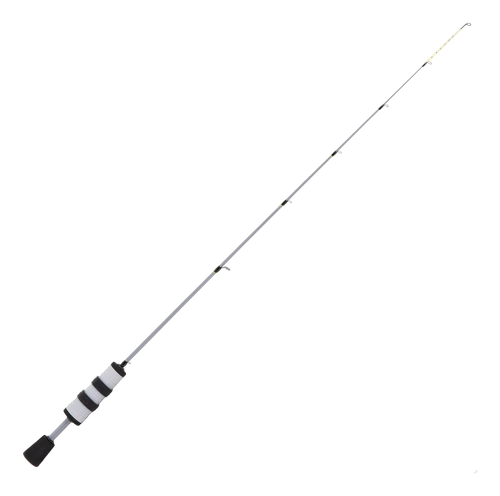
CLAM Jason Mitchell Meat Stick Ice Fishing Rod, 36" Medium
Clam
High-vis tip for watching light pickups and enough backbone for search spoons and livelier panfish. The long stick that lives next to the heater and the bad coffee.
A short tray of lures and rigs that have been in Minnesota boats for decades — Rapala, Lindy, Northland. Real Amazon links only. We do not invent a lure that is not on the shelf.
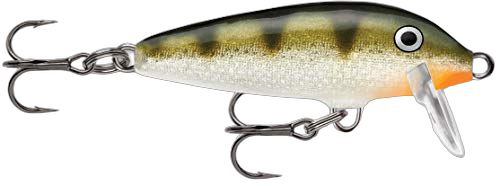
Rapala Original Floater F03
Rapala
The wounded-minnow that started arguments in more Minnesota tackle boxes than we can count. Twitch it, drown it, or just believe in it.
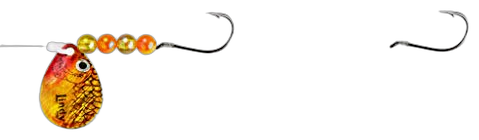
Brainerd-family flash in front of a nightcrawler — holographic blade, hand-picked beads, and the ancient art of not setting the hook too early. The old blister-pack walking-sinker kit listing went dark; this harness still lives on the shelf.
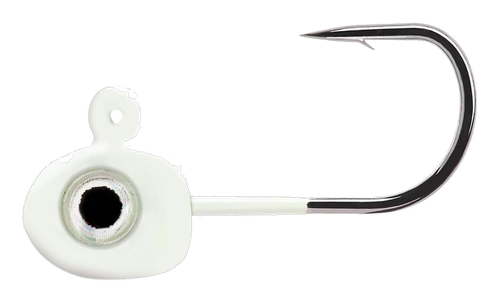
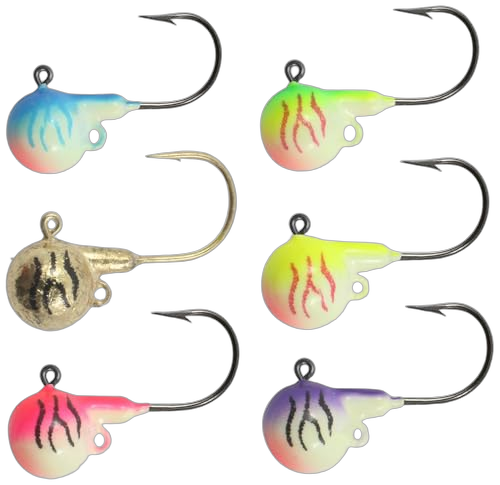
Bemidji hardware. Short-shank jig that has lived on live-bait rods since before your good sunglasses. Six in a card because one always finds the carpet.
Park Falls St. Croix Eyecon sticks plus mid-size spinning reels for Minnesota jig, slip-bobber, and Lindy days.
St. Croix Rods Eyecon Spinning Rod, 7'0" Medium-Light/Fast (EYS70MLF)
St. Croix
The all-purpose Eyecon you keep reaching for when somebody says “just bring one rod.” Medium-light fast tip for jigs and slip floats, with enough length to keep a minnow honest over a mud flat.
St. Croix Rods Eyecon Spinning Rod, 7'0" Medium-Light/Fast 2-piece (EYS70MLF2)
St. Croix
Same Eyecon manners, two pieces so it survives the trunk better than your cooler. The old 7'6" slip-and-rig listing is not for sale right now; this is the trunk-friendly Eyecon we can actually point at.
St. Croix Rods Eyecon Spinning Rod, Vertical Jig, 6'3" Medium-Light/X-Fast
St. Croix
Short, twitchy, and dialed for vertical jigging when the boat is parked over a school that refuses to write you a thank-you note. Extra-fast tip for feeling a walleye inhale a Fire-Ball like a rumor.
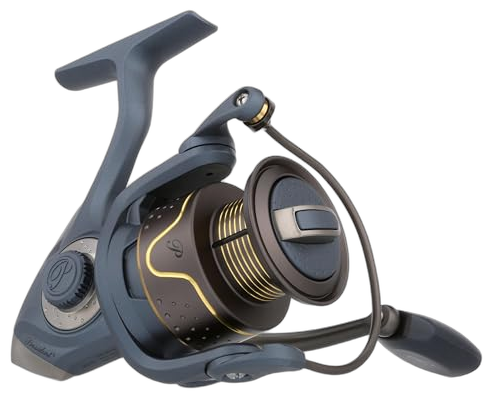
Smooth mid-size spinner that pairs with 6'6"–7'6" walleye rods without acting like it needs a TED Talk. High-gear retrieve for covering water between jig lifts; Infinity Drive guts for opener weekends that run long.
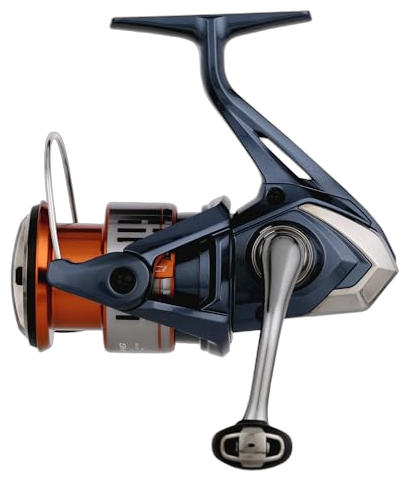
The coffee-can classic of spinning reels — braid-ready spool, smooth drag, and a price that leaves room for another bag of minnows. Size 35 sits right in the Minnesota walleye neighborhood.