Every November there’s a week where the up-north gas station switches teams, at least in my head. The coffee’s the same, but the guy ahead of you is buying blaze orange hand warmers instead of minnows, and the parking lot fills up with trucks hauling four-wheelers instead of boats. That’s this week. Deer opener is Saturday, Nov. 7, and according to Gill’s Nov. 5 weekly for the Leech Lake Tourism Bureau, fishing pressure on Leech is light. The walleyes probably aren’t complaining.
What changed since last week
- A little shallower. On Oct. 29 Gill had walleyes on rock and windy points at 10 to 15 feet (our Oct. 29 card). Now he’s got them around 9–12 ft, and the map got wider: points, flats, and the breaks along shore.
- Slower still. Last week’s tip was to change one thing at a time. This week it’s about speed (see below).
- Fewer people. Light pressure, and Gill says the boats that are out may get a spot all to themselves.
- New neighbors. Ducks from farther north are dropping in. They aren’t fishing. They’re just judging your cast.
Walleyes: the whole plan fits on a napkin
A minnow on a jig. That’s it. That’s the recipe. Gill’s confident that if the wind and rain let you launch, you’ll likely run into fish that want to eat.
Where to start:
- Goose Island
- Bear Island
- The Annex
Those are the rocky, wind-hit points he’s been naming all fall, and they’re still on the list. Then check flats and breaks in that 9–12 ft range.
Backup plan: bring a few nightcrawlers. If the walleyes start acting like a cat looking at a new food bowl, put half a crawler on and see if that changes their mind.
Gill’s tip: fish it like you’re half asleep
This one’s my kind of tip, because it rewards doing less. Cold water slows a walleye’s whole operation down, so Gill says to slow your jig to about half the speed you’d normally use. Then let it rest longer than feels right, and stare at your line, because a lot of November bites barely register. No thump. More like the fish leaning on it and thinking things over.
I already fish at half speed. It’s just never been on purpose until now.
Muskies: the reports are light because the boats are gone
Gill is clear that the muskie reports are thin mostly because hardly anyone is out casting for them. That’s not the same as the fish shutting off. If you’re the one person still out there, here’s his setup:
- Work rock and weeds in the shallows, edges especially, as slowly as you like.
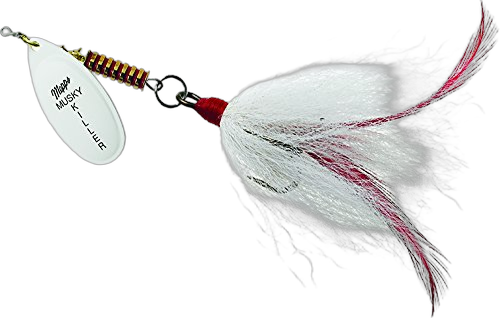
- Throw bucktails or big rubber, retrieved slow.
- Bring every cast all the way back, then trace a lazy figure-eight beside the hull.
- Have the net and the release gear close by, keep handling quick, and let them swim off easy.
Everything else
- Perch: another species with thin reports because almost nobody’s trying. Gill suggests poking around weed edges, about 5–9 ft, using a little jig tipped with a minnow. Fish fry potential, in his words more or less, and in my stomach for sure.
- Crappies: out on deeper breaklines, often suspending. Find them with your electronics before you drop anything.
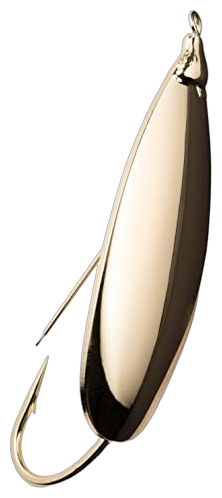
- Pike: still roaming weeds and the edges taking wind. Spoons and spinnerbaits help you cover ground.
Dress like the lake is lying to you
Gill’s packing list closes out with the cold-weather stuff: gloves, a hat, insulated layers, plus a thermos. In November that’s not optional. The lake might look calm from the truck. Your fingers will find out the truth about the third minnow in.
Why it matters
This is the stretch of fall where Leech goes quiet. Fewer boats, more ducks, and walleyes that still bite if you’re patient enough to let them. If you’ve been holding out for a last boat trip before the ice, Gill thinks now’s the time, and he suggests booking early if you need a place to stay since deer week fills things up. The fish don’t care what’s in season on land. Somebody ought to still be out there to keep them company.
Fine print
This is a weekly roundup from the Leech Lake Tourism Bureau’s fishing writer, not a log from one boat on one day. It gives no water temperatures, fish counts or sizes, and we didn’t add any. The “light” muskie and perch reports reflect few anglers, not a confirmed slow bite. Northern Minnesota got a wet, windy stretch early this week (our Nov. 4–10 conditions card), so check the wind and the landing before you go. Check current regulations before you keep fish.
Sources